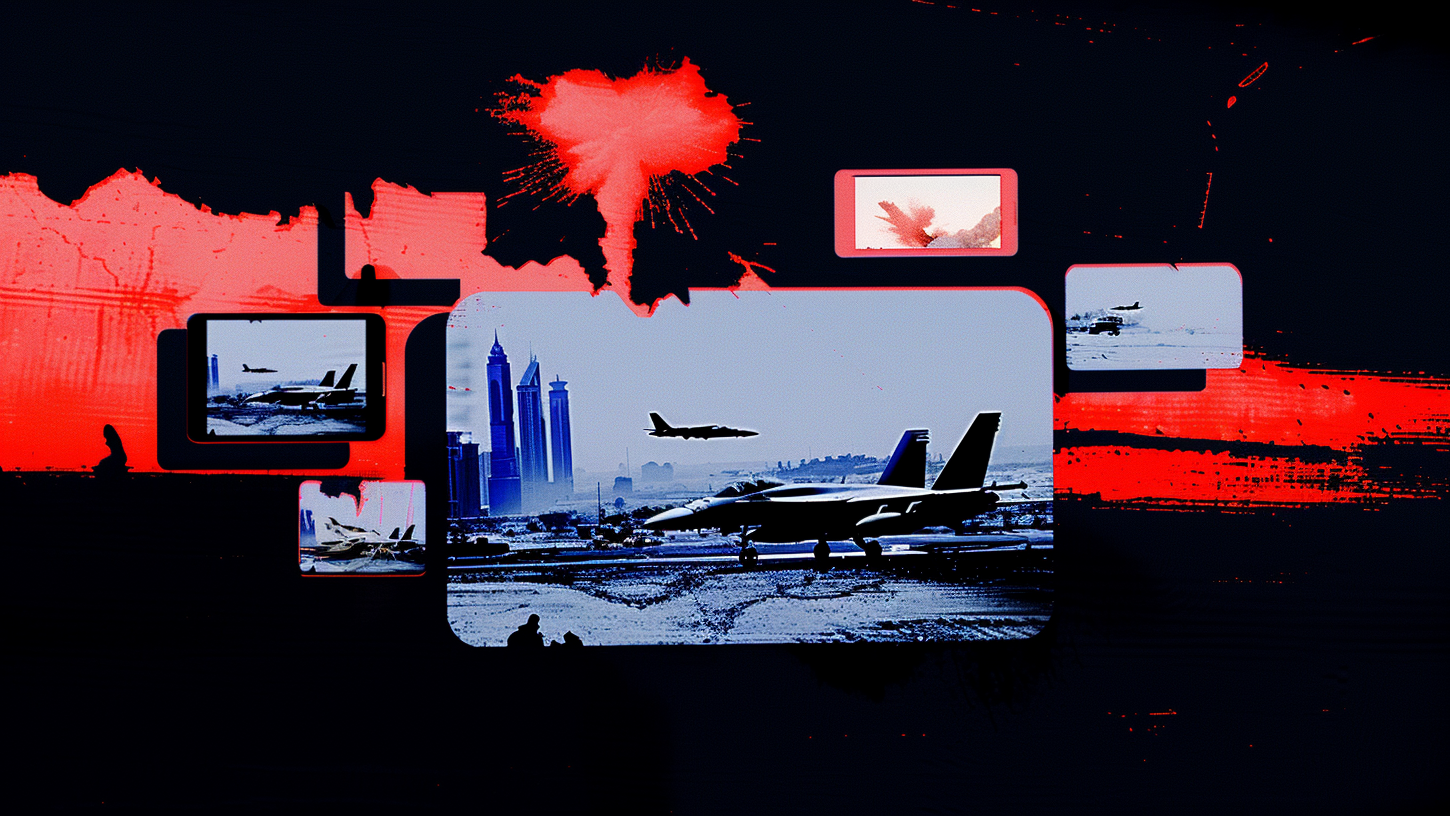


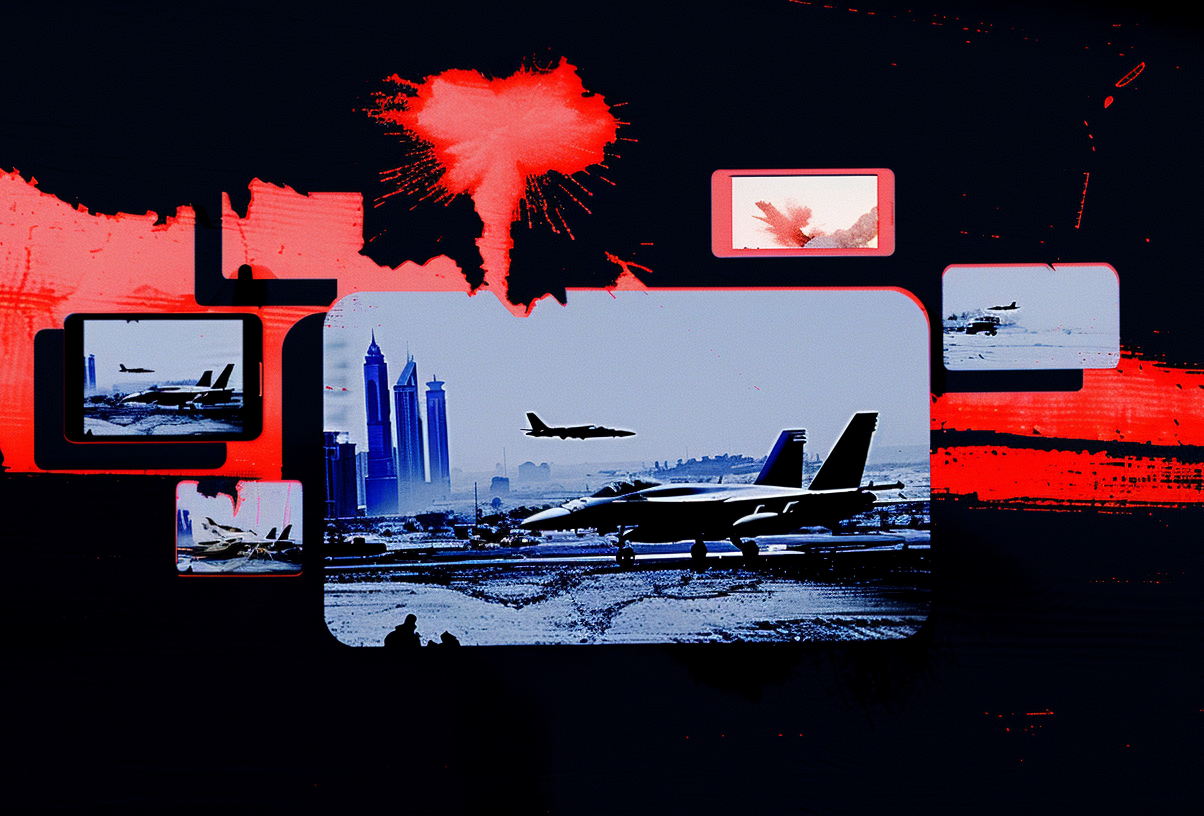
An onslaught of AI-generated fake videos is warping the information landscape in the U.S.–Iran conflict.
We knew that AI video models have been getting more realistic over the past year, but the consequences have unfolded in real-time during the current war. Multiple players in the conflict are passing off both AI-generated and manipulated videos as new reports, claiming they show the current state of hostilities in the Middle East.
News organizations such as BBC World Service, The New York Times, US News & World Report, Financial Times, and Associated Press have been racing to debunk false reports spreading rapidly across social media platforms such as X, Instagram, and others.
The issue has gotten so bad on X that the platform issued a statement on March 3, warning that any creators in the revenue-sharing program would have monetization immediately suspended for 90 days if they posted "AI-generated videos of an armed conflict—without adding a disclosure that it was made with AI." If they do it a second time, they will be permanently banned from the program.
That removed the financial incentive to create dramatic, AI-generated videos that quickly spread and are amplified. Of course, the geopolitical incentives of spreading false narratives remain.
Several AI-generated videos that have proven to be false have already become famous in the week since the war began:
- A video reportedly showing a U.S. fighter jet being shot down in Iran got 70 million views but turned out to be footage from a video game.
- A video showing the world's tallest building, the Burj Khalifa in Dubai, on fire after presumably being hit by an Iranian missile was one of the more obvious AI-generated fakes.
- Another fake video showing missiles hitting a densely populated downtown area in Tel Aviv got 20 million views and turned out to be AI-generated, but the chatbot Grok falsely claimed it was real when users tried to verify it.
- According to a report in Rolling Stone, the U.S. is creatively editing videos to spread propaganda to convince the Iranian people to rebel against their government, but the report stopped short of accusing the U.S. of using AI to create known fakes.
“The volume of AI content is starting to just pollute the information environment in these kinds of crisis settings to a really terrifying degree,” Melanie Smith, senior director of policy and research at the Institute for Strategic Dialogue, told U.S News & World Report. “The inability to get access to verified and credible information in times like this [is] getting harder and harder.”
Our Deeper View
Spreading false reports to create fear and impel people into actions such as despair, surrender, and protest was a part of warfare long before AI. The difference is the speed and scale at which it can be created and spread. The capabilities are now also distributed among the populace, creating a new layer of potential chaos. What we can all do to improve the situation is to pause before texting, retweeting, or amplifying any reports. Use free sites such as AP Fact Check and BBC Verify to make sure the reports are real. And use free tools such as Compass from Blackbird AI (email registration required) to verify the truth of a report, video, image, meme or article. If you want to follow my updates on the AI space in real-time, you can find me on X/Twitter at x.com/jasonhiner.