


Apple is expanding its redesigned Siri assistant beyond the iPhone to home devices, the latest step in a years-long overhaul of the voice assistant.
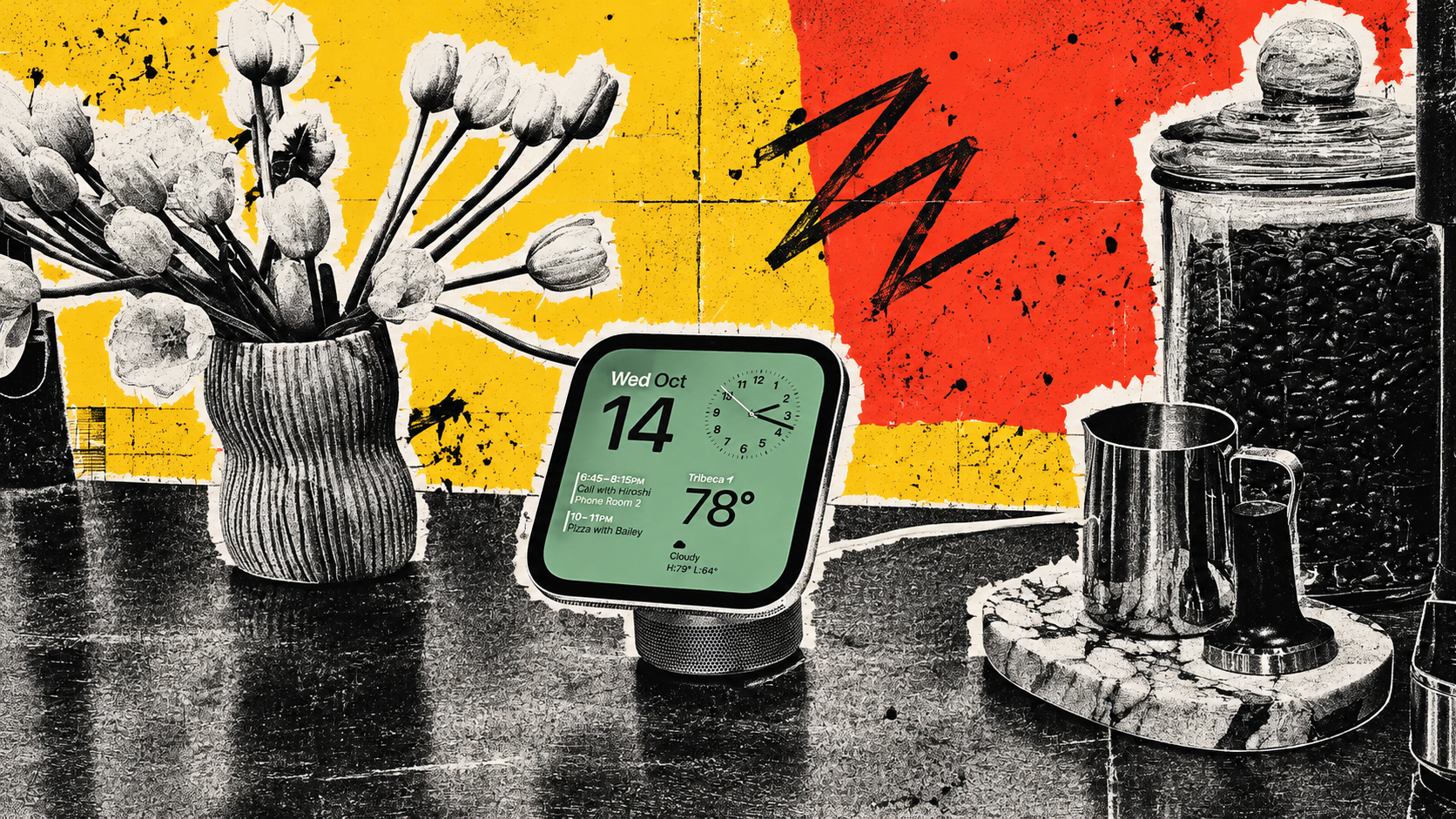
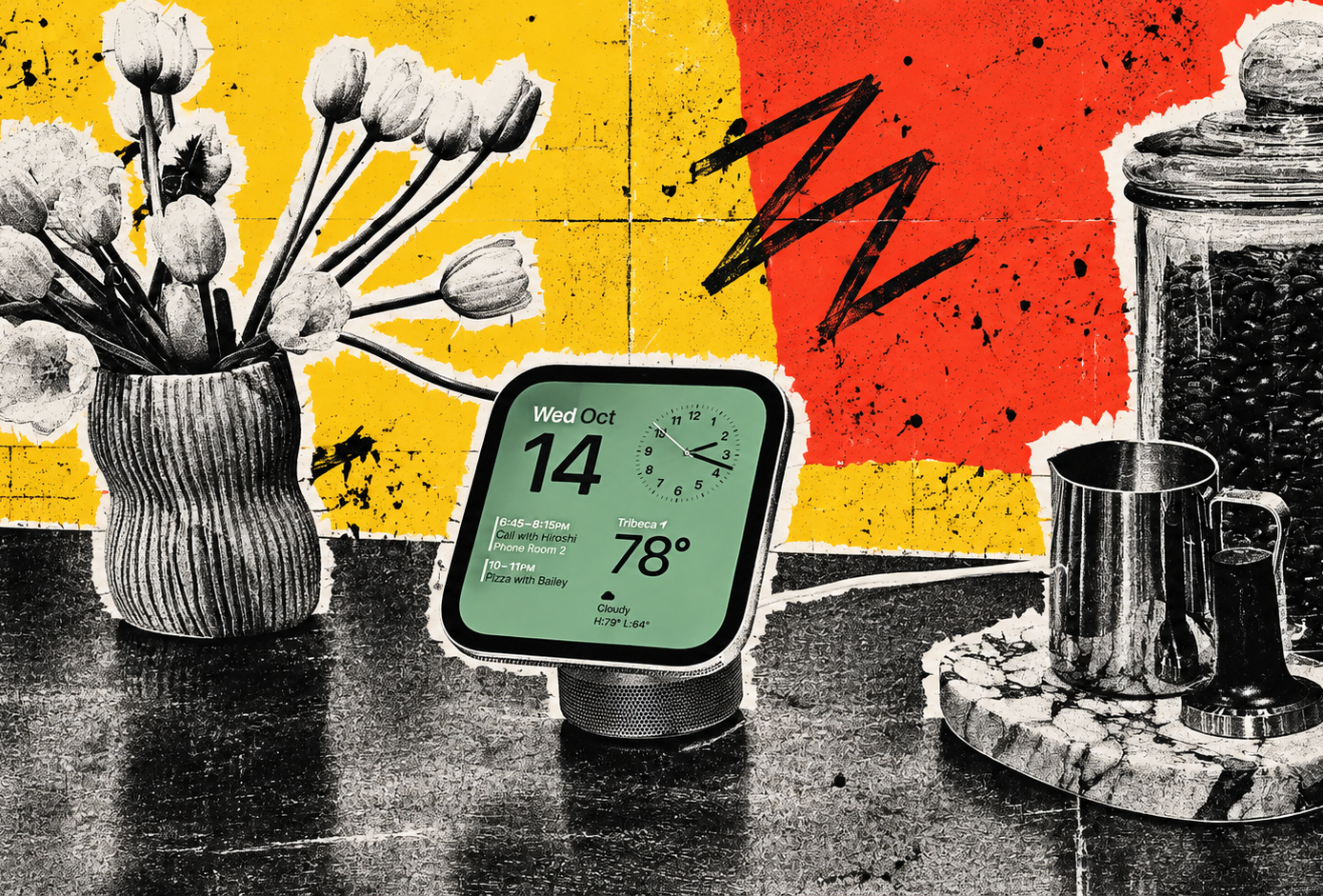
On Tuesday, Apple launched a series of smart home products, with the star of the lineup being the new Apple HomeView, its first smart home display. While the display can do much of what competitors like the Amazon Echo Show and Google Nest Hub have done for years, including playing music, controlling smart home devices, and answering questions with AI, it leans much further into Apple’s signature ecosystem to offer something fresh.
For instance, the HomeView can facially recognize up to six users and then present each one with a personalized experience that displays the user's personal content from its Apple ecosystem of devices, such as Messages, FaceTime, Calendar, and Find My. The interactions with Siri are powered by Apple Intelligence and the context it has about you, making the responses personalized to the information stored within your Apple apps.
This was the most compelling part of the demos: Siri can now handle multistep requests, like “Hey, can you play the song my friend sent me?” It can also string together more complex tasks. For instance, in one demo, a user asked Siri when their friend would be home from the airport. Siri found the answer in a text message, worked out how long the drive home would take, and then helped the user schedule their coffee maker to turn on 15 minutes before the friend arrived.
The design also makes it unmistakably an Apple product, with subtle nods to the devices that came before it. The HomeView’s 7-inch Liquid Retina display swivels on a base that immediately reminded me of the 2002 iMac G4, and it comes in silver, starlight, rose pink, and space gray, the same colors of the iPhone 6s lineup. In classic Apple fashion, there’s careful attention to small details, like information that rearranges itself as you move closer to or farther from the screen.
There is also a separate wall-mounted HomeView model, available in space gray and silver, and both the version with a speaker at its base and the wall version retail for $299. It works with compatible smart home devices, as well as those from the recently announced Apple Home Collection, which include a new lineup of smart home cameras, thermostats, and a lock designed in collaboration with LG Electronics and Schneider Electric.
Our Deeper View
Apple has two very powerful advantages in the smart home market: People trust the company to keep their data private and safe, and Apple users are typically deep into the Apple walled garden and, therefore, are more inclined to use products within the ecosystem. Both of these things are typically the challenges I hear the most about when it comes to people who are opposed to having a smart home system. Users are fearful that it'll always be listening to them and are deterred by the fact that the setup isn't as seamless. Though I have not reviewed the device yet, if it's as easy to set up as it is for an Apple Watch or AirPods to pair with your phone, I could imagine this not only becoming a household product many Apple users want, but also a great gift with the holiday season around the corner.