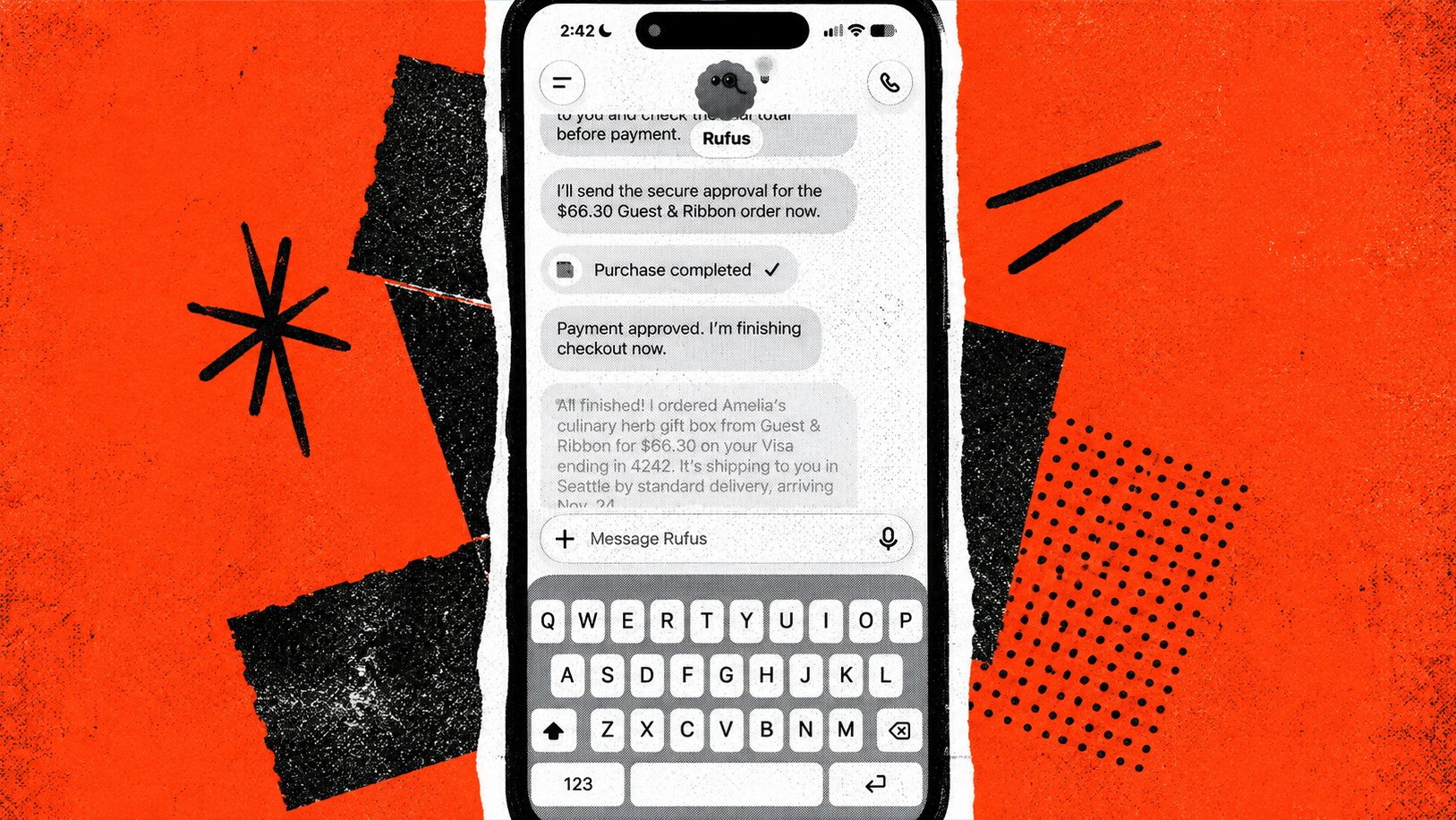



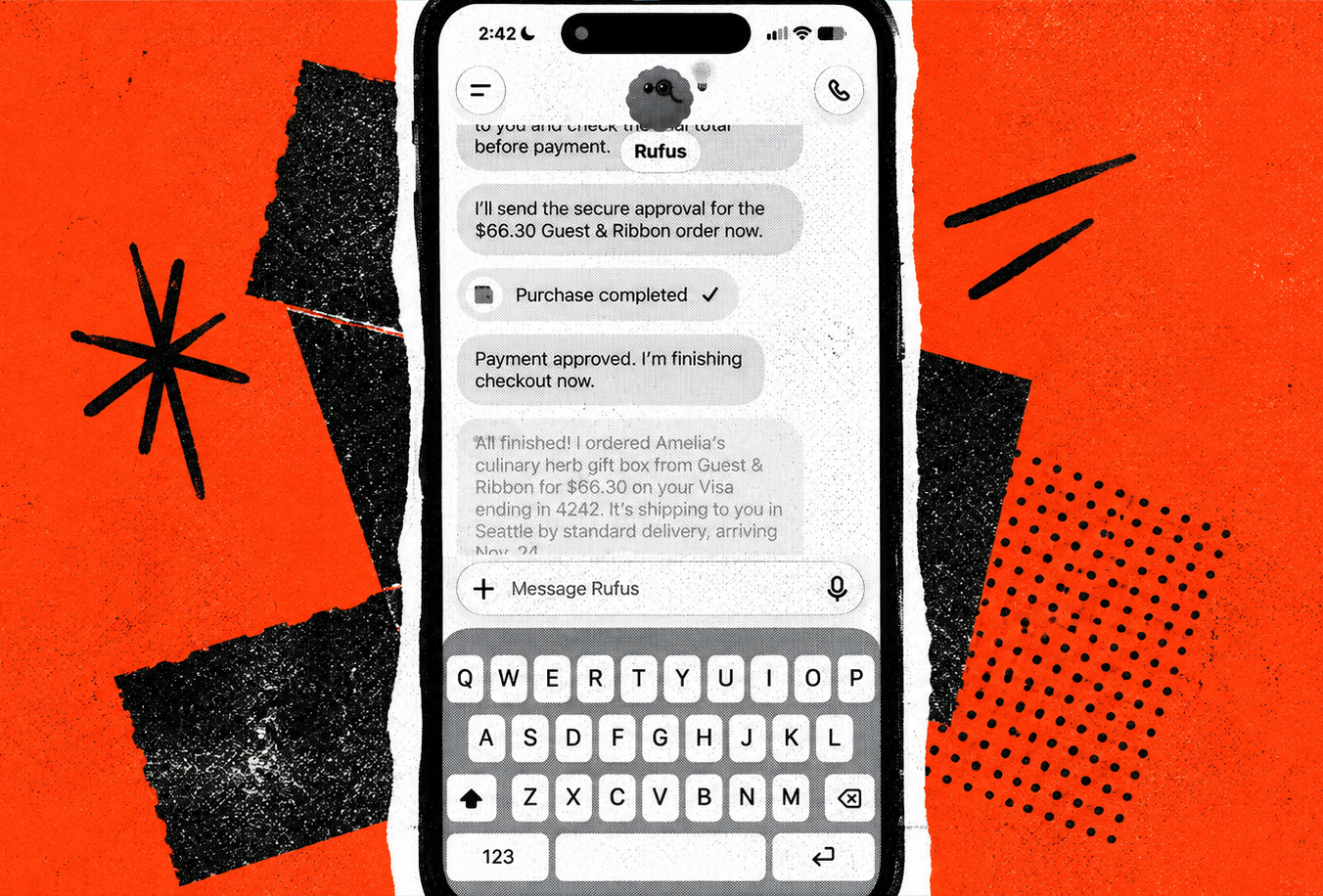
Your AI agent isn't meant to simply answer questions. Now, it can reach into your wallet and charge your card, thanks to OpenAI.
On Friday, the AI lab unveiled ChatGPT Wallet, a feature that lets agents make purchases without access to a user's actual card details. To ensure only approved transactions take place, it requires a security check before every purchase, such as Face ID or a fingerprint scan.
Once it is approved, the payment network provides a token that hides the user's card information. This means that users only have to enter their card information once, making checkout more seamless while preserving card rewards and dispute protections.
OpenAI argues there is significant demand for the feature, as many of the 1.2 billion weekly ChatGPT users rely on it to research products and decide what to buy. With ChatGPT Wallet, users can now take this behavior a step further, allowing the chatbot to complete the purchase.
At launch, it will roll out to a limited number of users, as OpenAI says it intends to "learn from real-world use and work with businesses, banks, and payment networks to improve compatibility and reliability." For now, the feature is only available through its Dots agents for ChatGPT Pro subscribers in the US.
Over time, OpenAI said the goal is for users to be able to "delegate" purchases entirely to their agent by setting clear parameters, including spending limits and purchase categories, and pre-approving those purchases. However, the technology still has a long way to go.
Last week, credit card giant Visa released its Agentic Commerce Benchmark, claiming it's the first of its kind to test AI in realistic shopping scenarios and challenges. The first round of tests involved 22 different AI models from 12 labs that took on 15 shopping challenges, and the results overwhelmingly found that the models are not ready. The selected AI models achieved a benchmark pass rate of 57.2% across testing, with even the best-performing models only passing 82.2% of attempts.
Companies and merchants are also pushing against AI shopping agents: United Airlines announced last week that it's banning AI agents from booking flights, restricting access to its digital platforms indirectly via travel agencies and aggregators to prohibit use by third-party personal agents and assistants. The airline claims that the decision seeks to protect its customers' data and accounts, citing concerns that AI assistants could expose sensitive information and lead to unintended actions and purchases by the chatbot.
Since company cooperation is also crucial for agentic payments to be possible at all, OpenAI also published a Commerce Partner Playbook with tools and guidance to help businesses enable agent support in their existing systems.
Our Deeper View
The concerns about sharing payment information with agents are not only natural but, as Visa's research shows, valid, as the technology is not ready for this task. However, I think that OpenAI's first steps with ChatGPT Wallet are actually a responsible, measured, and helpful approach, as it makes users' lives easier without putting much at risk. In this case, using the term "agentic" may even be a bit of a reach, as it more closely resembles a convenient auto-fill tool most users are already familiar with and comfortable using. The biggest difference is that ChatGPT doesn't share users' credit card information with the site, which, if anything, gives users additional peace of mind.