

The exit of AI's biggest evangelist from the stage will change some things, but AI transformation and adoption across industries will continue apace.
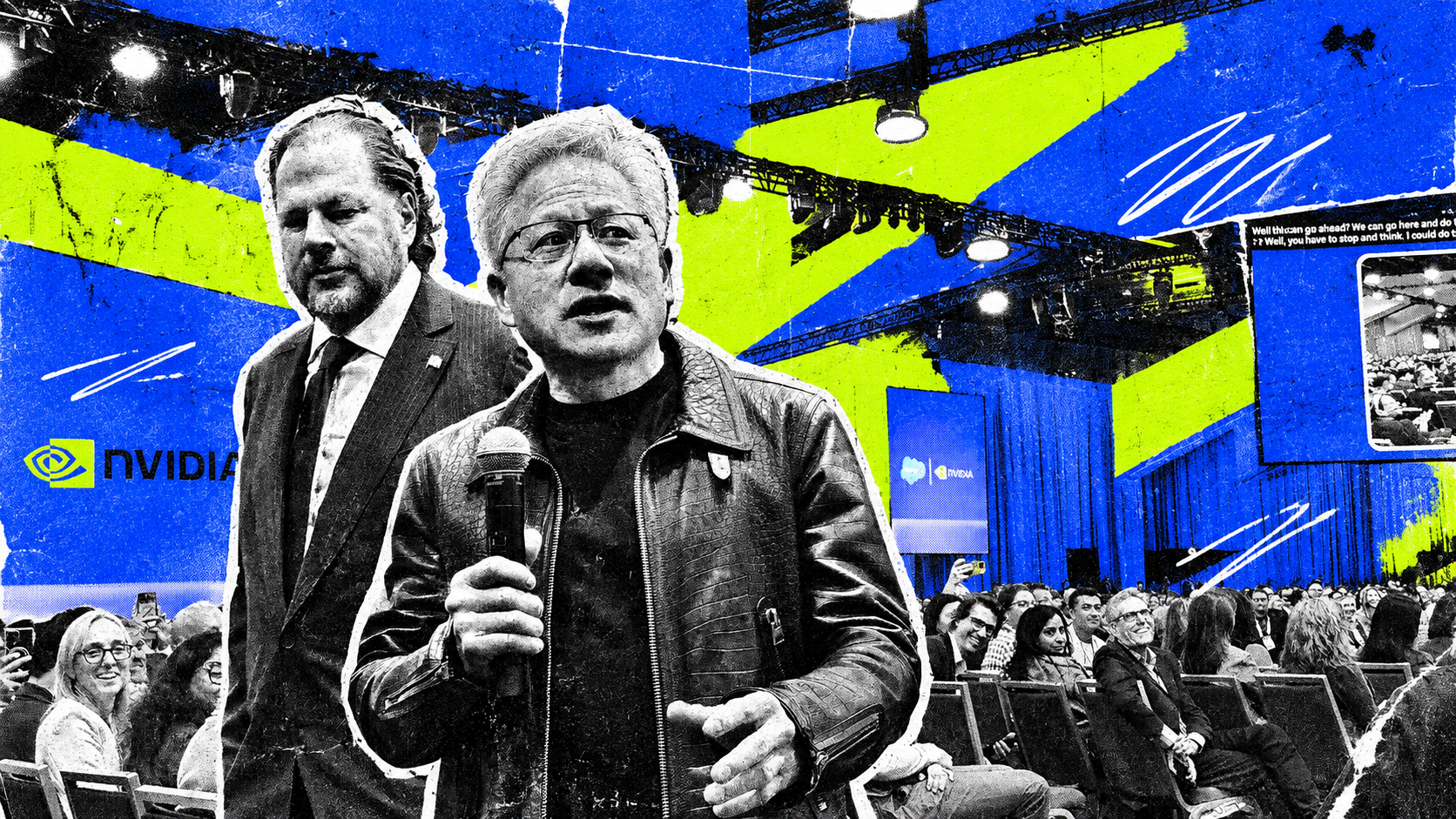
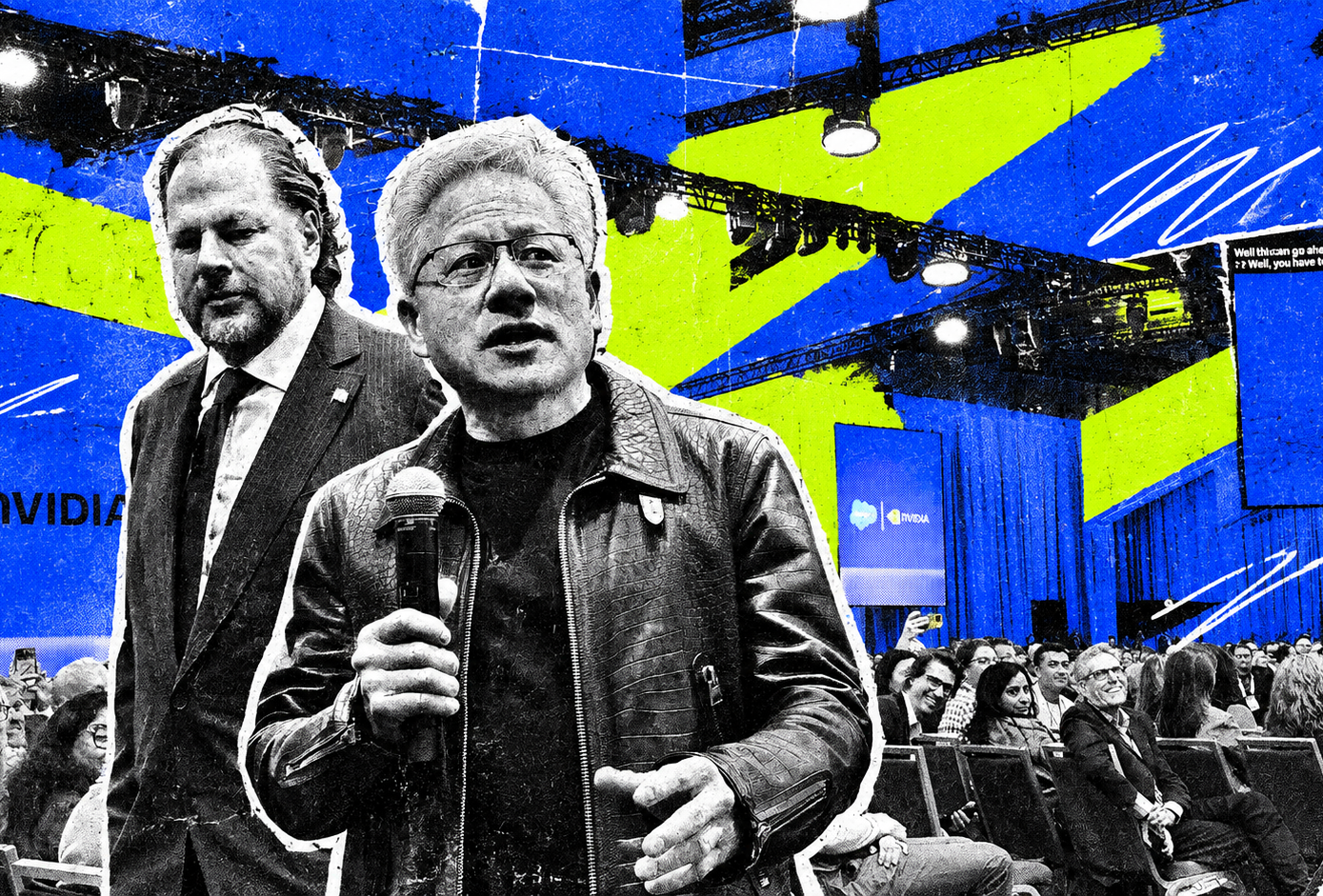
On Thursday, the Nvidia board of directors announced that Nvidia co-founder Jensen Huang had resigned as president, CEO, and a board member, effective immediately. Huang's exit comes just days after he confirmed his extramarital affair with a woman whom US intelligence has accused of being a Chinese spy, and the report broke of another affair with a direct report, Nvidia's VP of healthcare, Kimberly Powell.
The interim CEO will be Colette Kress, Nvidia's current EVP and CFO, who will continue to serve in these roles until a successor is named. The company's structure is also changing, with Harvey C. Jones, former Synopsys CEO, appointed as its first-ever board chair. The board disclosed that it is already initiating a search for a permanent CEO.
People are already placing bets on Polymarket regarding who the next CEO may be, with Ian Buck, Nvidia VP and high-performance computing chief, leading the betting odds, followed by Kress and Rene Haas, CEO of Arm Holdings, with analysts making similar predictions. President Trump took to Truth Social to propose former Apple CEO Tim Cook as the next pick. While it is hard to say with confidence who will succeed Huang, since there was no plan in place to prepare the company for this moment, what we do know is that they will be pivotal in defining the entire AI industry, as Huang himself did.
During his tenure, Huang became one of the most influential figures of the current AI boom. Under his leadership, Nvidia invested heavily in its own customers, including cloud providers, suppliers and major AI labs, and some of that money returned in the form of chip purchases. Analysts have flagged these arrangements as potentially circular, while others argue they are a strategic way to lock customers into Nvidia’s ecosystem. If a new CEO scales back these investments, it could raise financing costs for companies that relied on Nvidia’s backing and reduce some of Nvidia’s own revenue.
Huang also became a prominent voice in Washington, and his close relationship with President Trump coincided with several policy outcomes favorable to Nvidia. According to CNBC, Huang and other Nvidia executives directed at least $26 million toward Trump-backed projects, and the company spent a record $2.15 million on federal lobbying in the third quarter. Huang lobbied against the GAIN AI Act, which would have restricted chip exports, and against state-level AI regulation in favor of a single federal framework. In December 2025, Trump approved sales of Nvidia’s H200 chips to China, though Beijing has blocked them.
The uncertainty of what is to come in the next era of Nvidia is already being seen on the stock market. As of November 12, Nvidia shares "tumbled more than 12% in early trading, putting the company on course to lose about $500 billion in market value," Reuters explained. Nvidia reached an all-time high $5.8 trillion market cap on October 6. Recent losses have pushed the value of the company down to $4 trillion.
Our Deeper View
Huang helped define how the AI industry builds and funds itself, with Nvidia acting as both supplier and financier to many of the leading players in the ecosystem. If a new CEO steps back from that model, the effects could ripple outward. That said, AI is now embedded in nearly every industry, and demand for the technology isn’t going away, even if the stock market and investors sour on the AI trade and its effects spread across the industry. The train has already left the station when it comes to enterprises and organizations of all sizes investing in AI to streamline work, enhance productivity, and transform their relationship with software. While Nvidia's path forward may change how AI companies get financed, it won't change the fact that the years ahead are going to be all about a lot more professionals and organizations putting AI to work in more and more practical ways.