


ensen Huang has heart eyes for robots.
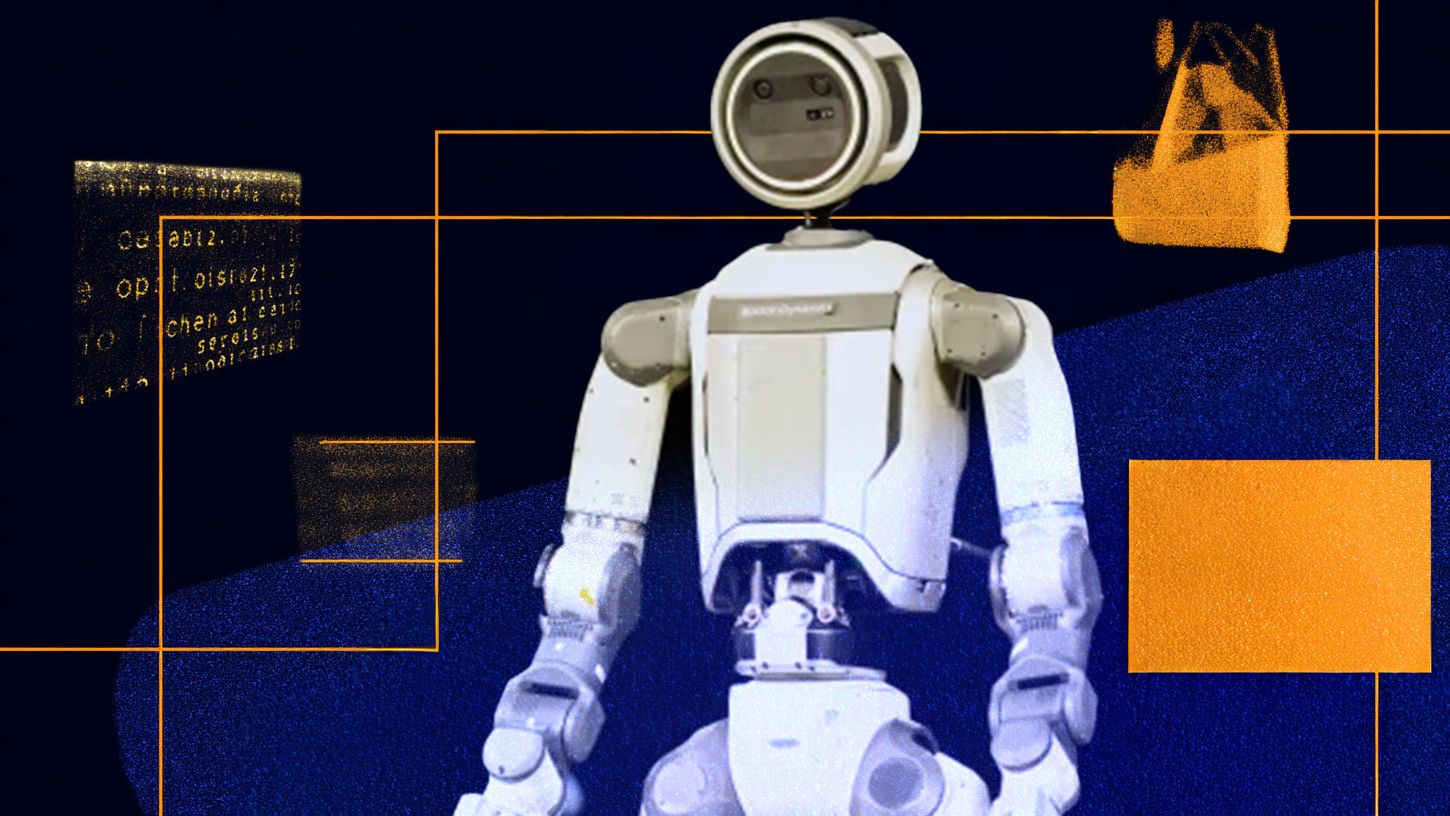
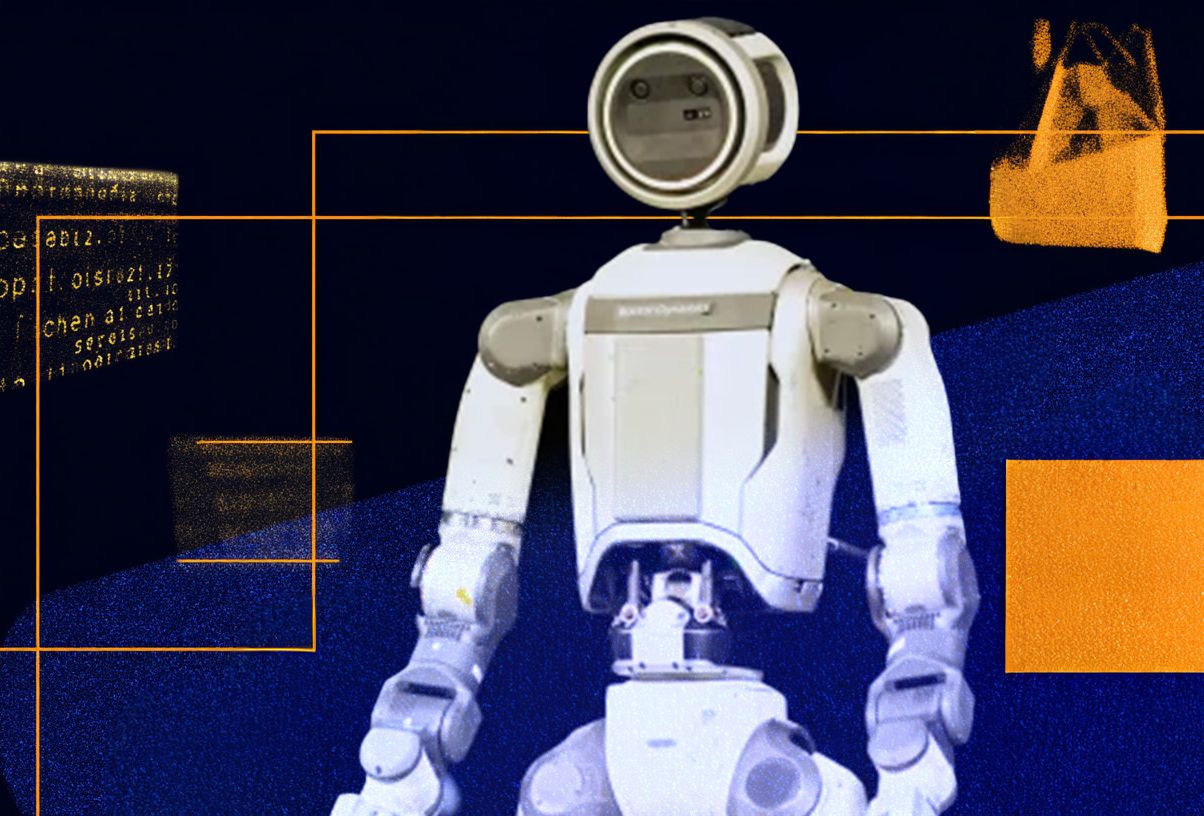
Physical AI was an Nvidia headliner at CES, with the CEO claiming in his Monday keynote that the industry is in a “ChatGPT moment for physical AI.” Huang reiterated his bullishness for AI’s real-world applications in a press briefing on Tuesday, noting that the speed of development could lead to robots with human-level capabilities as soon as “next year.”
Robotics in particular face some significant challenges, Huang said, including locomotion, grasping and fine motor skills. However, a lot of developers have turned their attention to overcoming those issues, he said. Meanwhile, “cognition,” or the models’ capabilities themselves, are improving rapidly.
“I know how fast the technology is moving,” said Huang. “I think that the next several years [are] going to be really exciting.”
And of course, Nvidia’s CES news was packed with physical AI-related announcements, including:
- The new Alpamayo autonomous vehicle reasoning model, several Cosmos reasoning world models, and a new Vision-Language-Action model from its GR00T humanoid robotics model family.
- And physical AI was all over CES, from industrial manufacturing and healthcare to delivery robots and children's toys.
AI firms are eager to take their models from the digital domain to the real world. But actual adoption is going to depend largely on how tolerant users are to mistakes, Anuj Bahal, Global Lead Account Partner at KPMG, told The Deep View.
The impacts of a chatbot hallucinating are constrained to screens, but physical AI can make physical mistakes. And though it’s easier for us to accept when a human drops a plate or gets into a fender bender, we have less tolerance for when a robot messes up in the same way, said Bahal.
“[But] we all know the technology is not going to be perfect,” he added.
People also must become comfortable with robots doing some things better than them. Huang, however, refuted the idea that robots would replace human workers: “Robots will create jobs … the robotics revolution is going to… replace the job loss, the labor loss, it's going to therefore drive up the economy.”