


The regulatory waters for AI infrastructure in the US may be getting murkier.
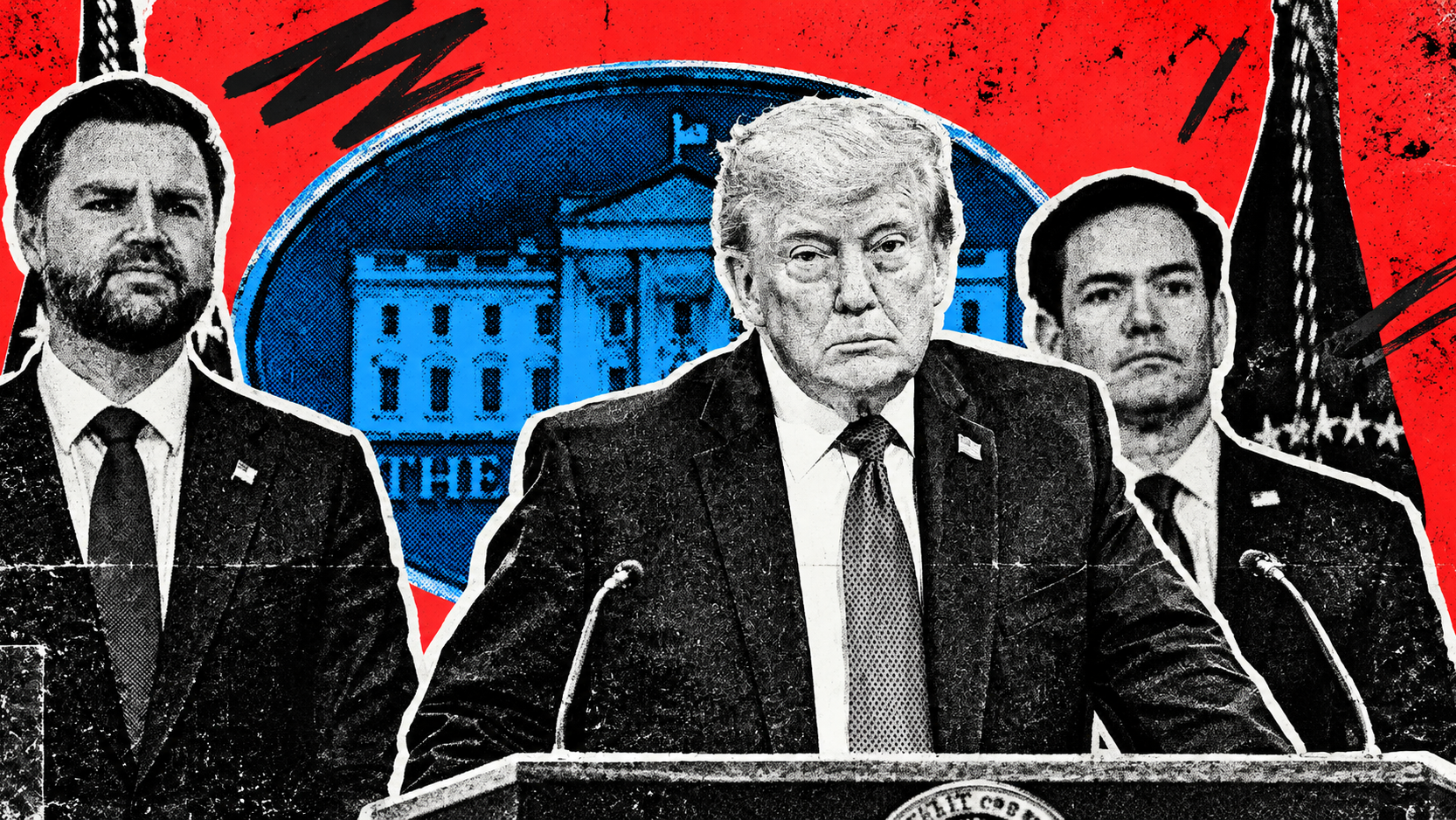
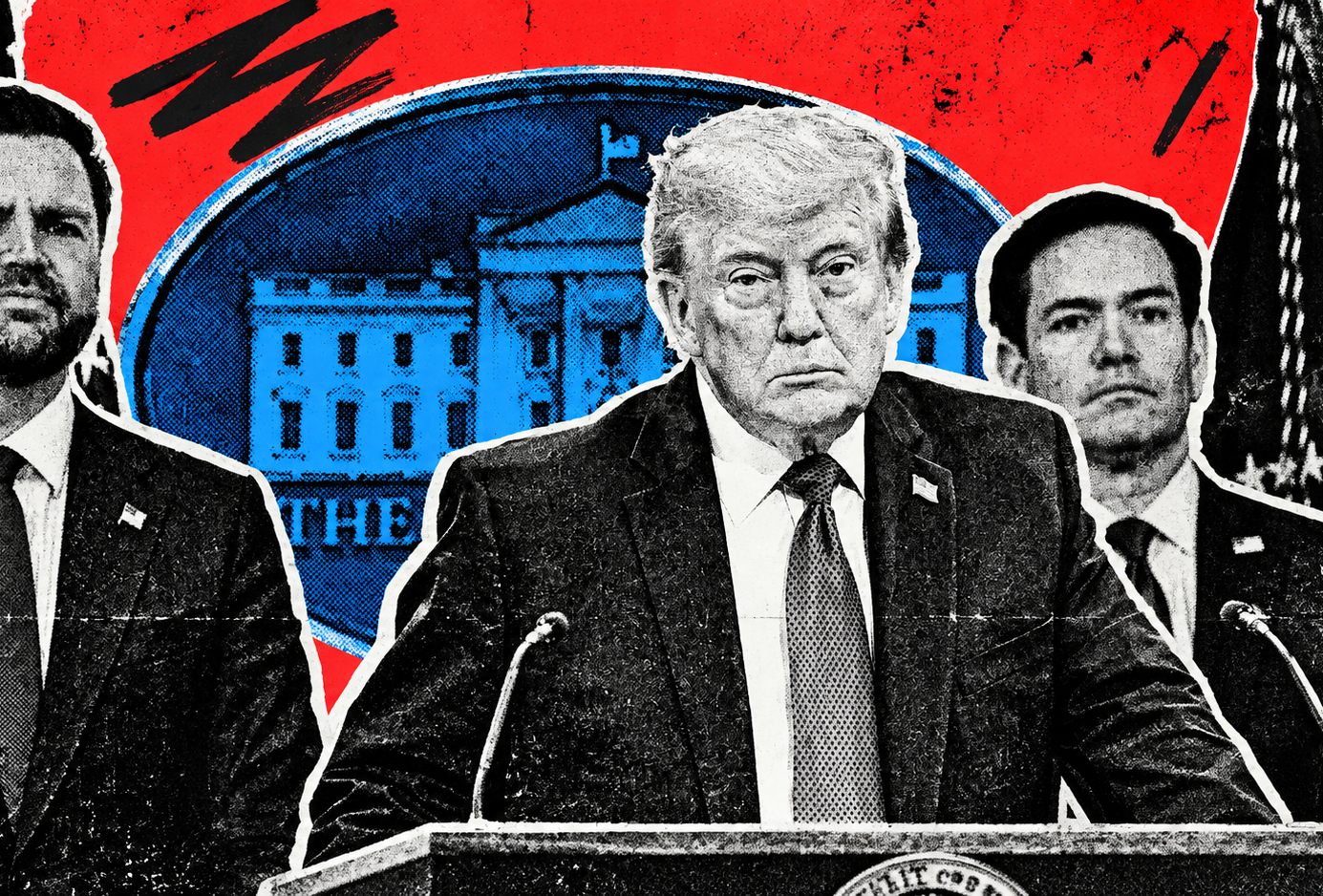
On Friday, President Donald Trump proposed a plan to levy a "tremendous tax" on US companies building data centers internationally. The president told reporters in the announcement that he had not yet informed his administration of the plan.
In a White House briefing, Trump told reporters "we’re not allowing data centers to go into other countries because China will take all of them, and we’re not allowing that to happen."
Though the proposal is nascent and the details are unclear, Trump's comments come amid a politically unstable time for the future of domestic data centers. Many Americans have started to rally against them over the past year, as these facilities represent a physical symbol of the uncertain future that AI could create.
As a result, in the November midterm elections, AI infrastructure became one of the hottest political talking points for candidates across the aisle, potentially creating the conditions for a wave of state regulation in the coming years that forces AI labs and tech giants to rethink their compute strategies.
Trump, however, may not be worried about this, telling reporters, "We want them to build it here. If they won’t go in Texas or they won’t go in California, they’re going to go in West Virginia. We have a lot of places that want them badly, and they’re great places."
Still, many tech firms, particularly the hyperscalers, have committed to building data centers overseas.
- Google, for instance, has a $15 billion commitment to build energy-efficient data center campuses in Malaysia, and a separate roughly $15 billion commitment for similar development in Finland.
- Microsoft has a number of global agreements for data centers, including a $25 billion commitment in Australia, a $10 billion commitment in Japan, and a more than $17 billion commitment in India.
- Amazon's international infrastructure agreements, meanwhile, include a roughly $35 billion plan in Spain, a $5 billion plan in Germany and an additional $13 billion plan in India.
- OpenAI and Anthropic have also signed agreements to lease data center space internationally.
Our Deeper View
Though the details of this plan are very unclear, the impact could be massive, depending on the scope. The big three hyperscalers—Google, Microsoft, and Amazon—already have massive data center footprints globally. And while this could particularly target AI infrastructure, rather than general cloud operations, it's clear that these companies are committed to massive overseas data center investments for that purpose. Though the Trump administration has been very clear about its intent to increase its domestic data center footprint, a plan like this is likely to ruffle the feathers of the companies that the US government considers to be allies in making the US an AI superpower. More broadly, if this plan were to go into effect, it could have a silver lining. It could be a forcing function for these AI companies to fix their compute problem in another way: Leaning into model architectures that are not as compute intensive to make better use of data centers, if it's going to be harder to build more.