

As AI agents become increasingly capable, the upsides and tradeoffs grow with them. 1Password is betting its platform can address some of the biggest risks.
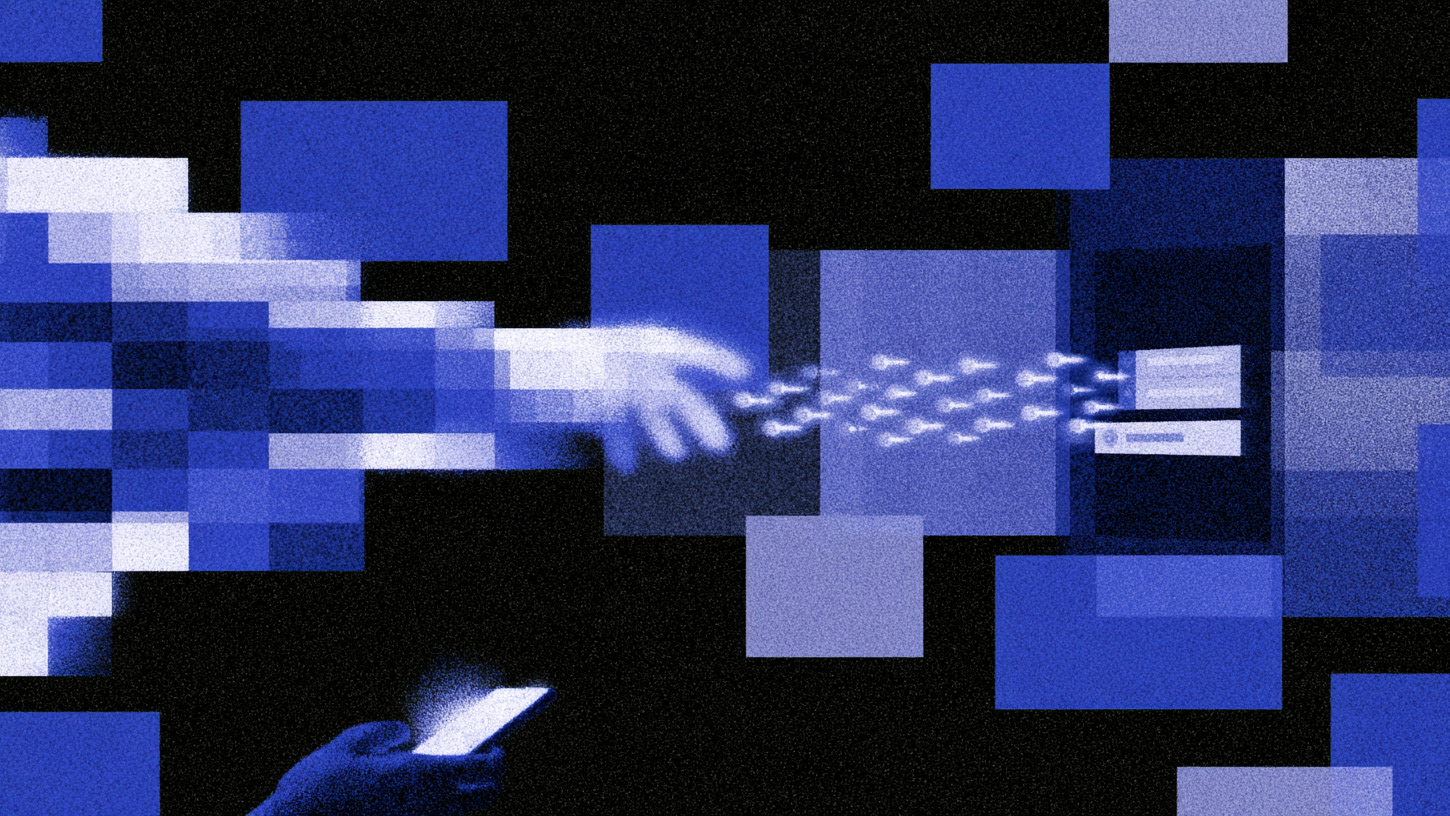
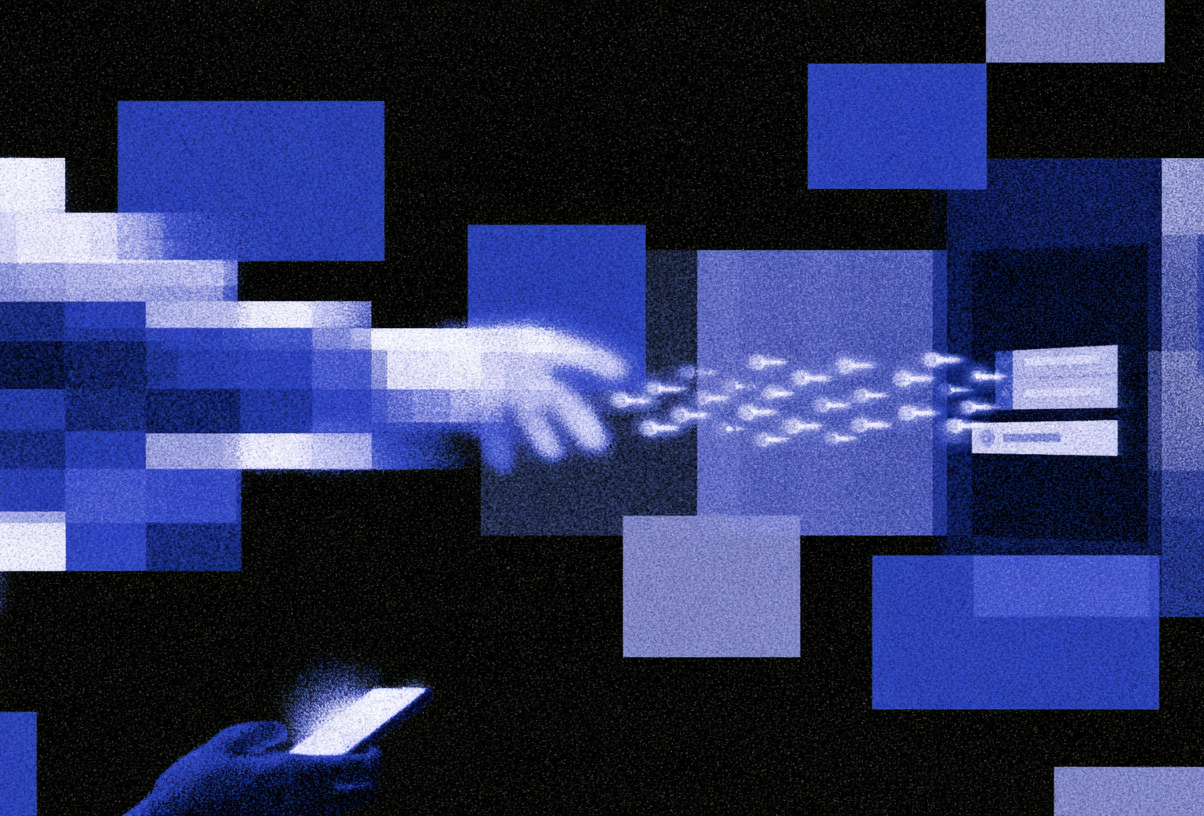
On Thursday, the company launched 1Password for Agents, a platform that gives personal AI agents access to the passwords they need to complete tasks on users' behalf without ever seeing or storing the credential. This mitigates the risk of the agents using the password to take unauthorized actions, and offers peace of mind to users by limiting AI vendors' access to personal information.
The company said that, when the agent reaches a sign-in form, it uses a unique digital key to verify its identity to 1Password. Then the user gets to see which credential the agent needs to use and why, and can approve the request on their device. Finally, 1Password fills the credential into the sign-in form directly instead of handing it over to the agent. Once the website accepts it, it is removed from the sign-in form.
Users can use 1Password with their AI agent of choice and initial integrations, including Meta's Muse, Anthropic’s Claude, OpenAI's Dots, and SpaceXSI Grok Bot, with more integrations to come.
This release builds on other AI authentication platforms the company has already released, such as 1Password for Claude, a browser integration that gives Claude access to stored credentials without actually exposing the credentials to the model. It also comes amid the recent boom in personal agents, with Meta, OpenAI and now Anthropic each unveiling their own always-on AI assistants.
Our Deeper View
AI agents are only as useful as the access you’re willing to give them. However, trusting them is becoming increasingly challenging, with agent security incidents piling up, ranging from large-scale cases like the OpenAI Hugging Face breach to individual impacts, such as Muse's individual user incidents. A core underlying issue with all of these cases is giving AI agents too much access. Solutions like this from 1Password can support a better middle ground, in which users aren't afraid of giving it access but at the same time can stay protected. My concern goes a step beyond: The fact that many people don't have the AI literacy to even know that they need a solution like this to begin with.