


From smart wearables to AI-enhanced apps, using AI to log your days has become one of tech's hottest trends. Now Amazon is joining the race.
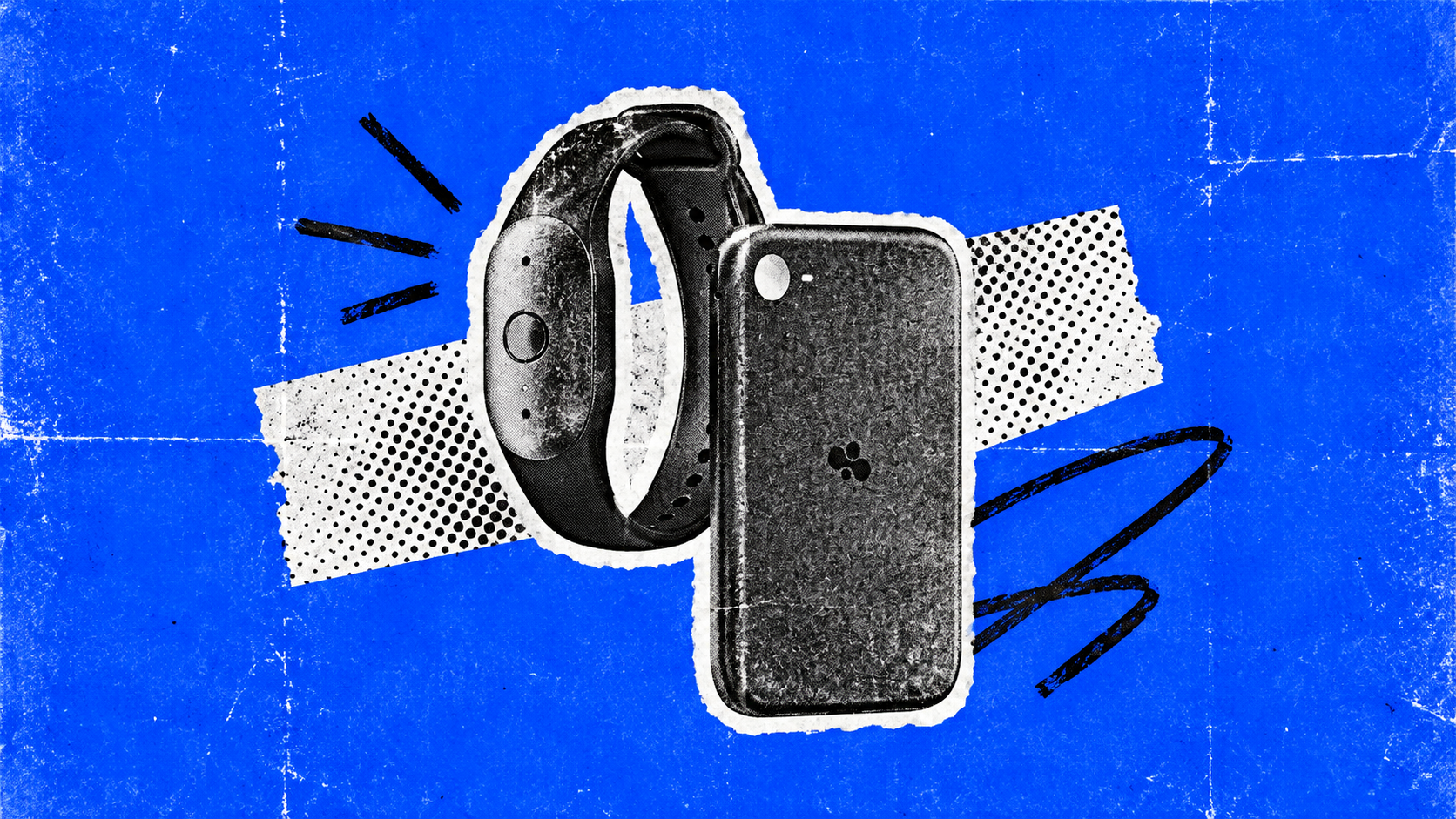
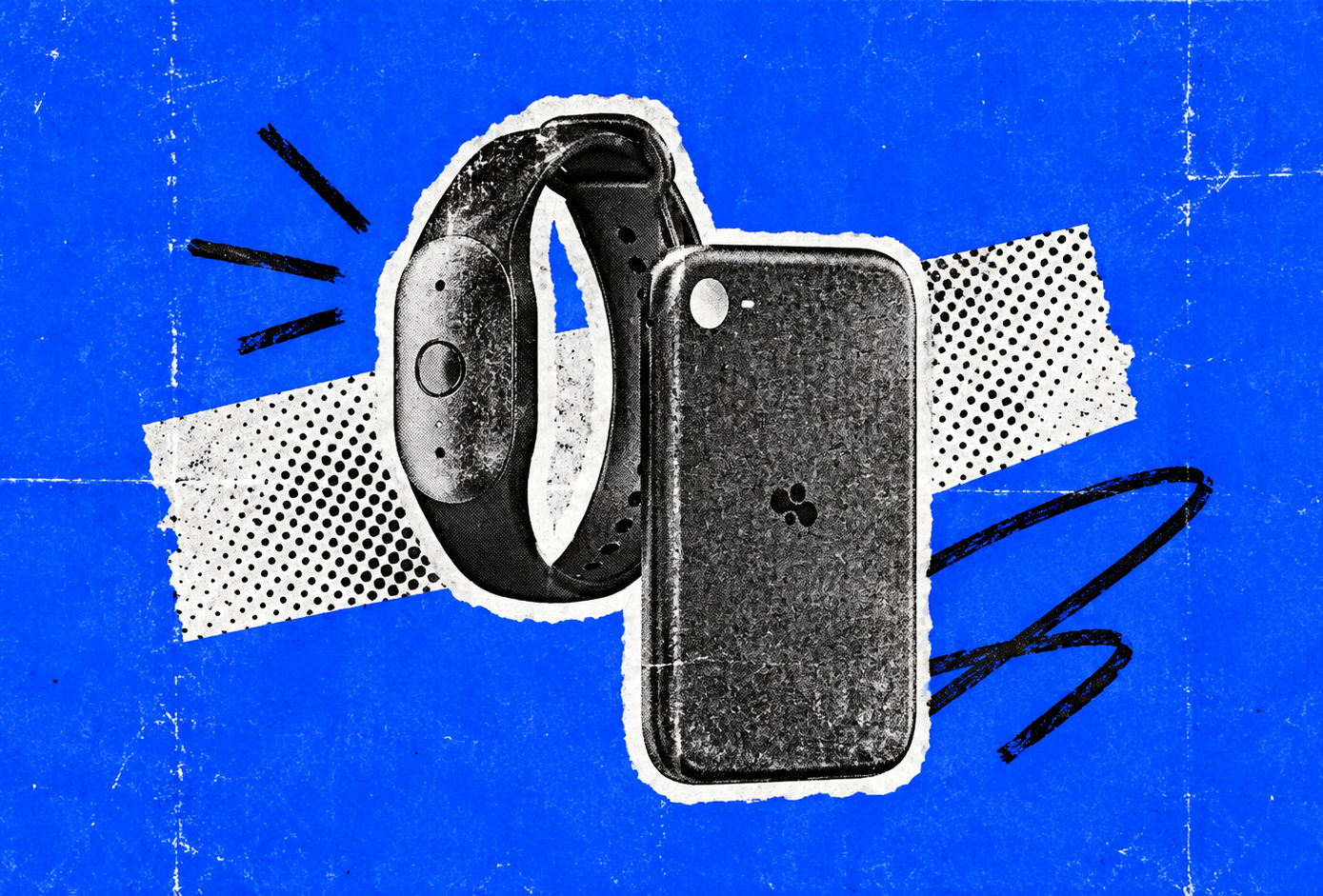
On Thursday, Amazon announced the Bee Frontier and Bee Eclipse, two personal AI gadgets that can listen to you throughout your days to provide summaries, to-do lists, reminders, and scannable directories of your day. While these devices are essentially a take on the AI pin offered by rival Plaud, Amazon is relying on its integration with Alexa as well as a lower price point to give it a competitive edge.
The Bee Frontier can be worn as a pin or as a wristband and was designed to be worn constantly, featuring seven days of battery life, IP67 water resistance, and two microphones with noise filtering that allows you to capture audio anywhere you go. This product is the next iteration of the Bee Pioneer, the startup's debut product that was also an AI note-taking wristband, before it was acquired by Amazon in July of 2022.
The Bee Eclipse serves the same purpose as the Bee Frontier with a different form factor: a slim, lightweight device that attaches to the back of your phone magnetically. It has more than 21 days of battery life, and a visible indicator when it is summarizing a conversation. While other competitors, such as Plaud, have offered the same products before, there are some key differentiators:
- Price: The Bee Frontier is $74.99 and the Bee Eclipse (available soon) is $99.99. Meanwhile, the Plaud Pin is $179 and the Plaud Note is $159.
- Alexa integration: With every purchase, users receive conversation summaries, recaps, and 14-day memory at no additional cost. However, with a Bee Pro subscription of $11.99, users get perks such as integrations with Amazon.com and Alexa+, which allow users to ask Alexa things such as "What are my Bee insights from yesterday?” or “What are my Bee to-dos?”
Of course, an always-on recorder like this raises obvious privacy concerns. Much like Apple’s approach to always-on listening with the S11 chip in the Apple Watch, Bee Private Compute uses a security architecture “that processes your conversations inside a secure and isolated processing environment where no one, including Amazon, can access your data,” according to the release. On top of that, audio isn’t stored, and users can turn off recording whenever they’d like and delete their transcripts.
Our Deeper View
When I first tried the Bee Pioneer in January 2025, what surprised me most was how genuinely useful its insights were. Being able to look back and reflect on the day’s interactions felt valuable on its own, and getting feedback on my actions was an added bonus. Still, two barriers have always held me back from devices like this: the upfront cost of hardware such as Plaud’s NotePin, and the siloed software they run on. If I want these kinds of in-depth insights, I don’t want to open yet another app or deal with a device that can’t connect seamlessly to the ecosystem I already use. That’s why the Alexa+ integration feels so useful. Many people already own an Echo speaker or smart display, and now they can simply ask it for these insights. Even something as simple as “When did my partner say he was coming home on Tuesday?” is helpful.